
Your Business Makes Money. But Does It Keep It?
Most owners guess their way through financial decisions. You don’t have to.
We help you stop reacting and start making confident moves that grow profit, not just revenue.

5.0 


9
Positions held at the Board of Directors Level for organizations varying from $1MM to $50MM per year.

$6,000,000
In financing successfully raised/secured through equity and lending partners.

300%
Employee growth rate for clients over the past 5 years.

$13,000,000
Total Revenue Generated for Start-Up Ventures from the initial engagement.

WHAT WE DO
REAL-TIME FINANCIAL INSIGHTS
We help business owners stop guessing, hoping, and reacting—and start making confident, strategic financial moves that grow profit, not just revenue.

CFO ADVANTAGE
CFO ADVANTAGE
• Strategic planning
• Forecasting
• Margin optimization
• Funding preparation
• Owner/stakeholder communication

CONTROLLER +
CONTROLLER +
• Bookkeeping
• Compliance
• Oversight
• Reconciliations
• Monthly reporting

NUMBERS TO KNOWLEDGE
NUMBERS TO KNOWLEDGE
• Custom dashboards
• Cash flow clarity
• Monthly insight calls
• Decision support
What’s Holding Your Business Back Financially?

Inefficient or Inaccurate Bookkeeping? Errors and lack of structure lead to compliance issues.

Cash Flow Concerns? Inconsistent liquidity puts business stability at risk.

Leadership & Operational Bottlenecks? Executives lack the time or expertise to manage financial strategy effectively.
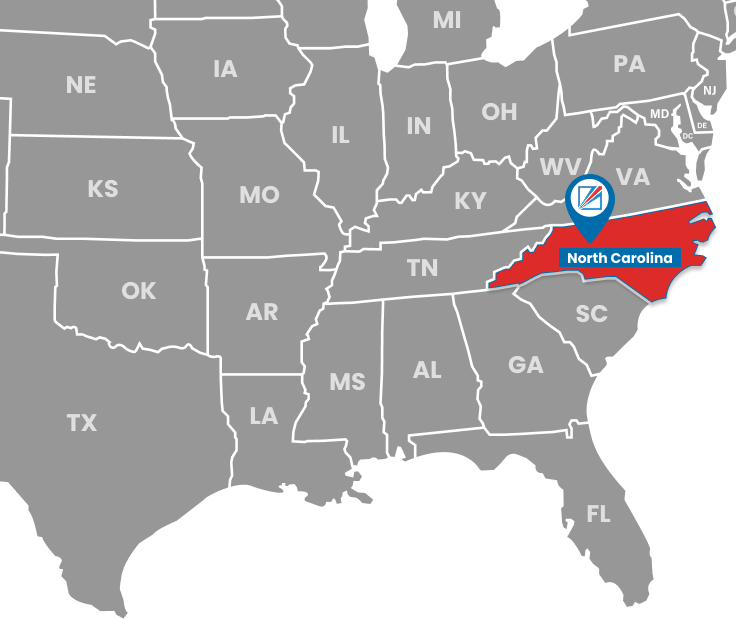
Heaquartered in North Carolina… Nexagy serves businesses all over the United States
What Our Clients Are Saying

Build 80% of Your Business Budget in Just 2 Minutes
Budgeting doesn’t have to feel like busywork. This free Excel tool uses your last 12 months of numbers to give you a draft budget that actually gets your leadership team moving in the right direction.
Most business owners avoid budgeting because it feels like guesswork. The reality is you are not making things up, you are planning. This tool does the heavy lifting:
- Review your last 12 months in seconds
- Project sales and expenses for the year ahead
- Create a draft budget that your team can actually start testing
You’ll walk away with 80 percent of a budget in place within minutes. From there it is about refining with your leadership team instead of starting from scratch.

Why Work With Us
- Cost-effective alternative to full-time CFO
- Scalable solutions
- Proven record of improving profitability
- Hands-on partnership
- Streamlined operations
- Actionable insights
How To Get Started

01
Schedule A Consultation

02
Get A Tailored Plan

03
Meet Your Client Manager
04
MAINTAIN
REQUIREMENTS
Frequently Asked Questions
Real Financial Questions. Clear, Honest Answers.
Financial questions don’t come with a manual. These are the questions business owners bring to us most often.
What’s the difference between a CFO, a Controller, and a Bookkeeper?
This is one of the most common points of confusion, and it matters more than most people realize.
A bookkeeper handles the day-to-day activity. They record transactions, reconcile accounts, and keep the books accurate.
A controller oversees the structure and accuracy of the financial system. They make sure reports are reliable, processes are followed, and nothing slips through the cracks.
A CFO focuses on the future. They help you plan, forecast, understand risk, and make strategic decisions based on where the business is heading, not just where it’s been.
Most growing businesses don’t need all three full-time. They need the right level of support at the right time.
That’s where fractional services come in.
How do I know if my overhead is too high?
Overhead isn’t just about whether expenses feel uncomfortable. It’s about whether your business can support them consistently.
If cash feels tight even when sales look good, overhead may be out of balance. If small changes in revenue create stress, that’s another signal.
The real answer comes from understanding how your fixed costs, margins, and cash flow work together. Once you see that relationship clearly, it becomes obvious what’s sustainable and what isn’t.
That’s the part most owners never get shown.
How do I create a budget for my business, and where do I start?
A good budget isn’t a wish list.
It’s a decision tool.
Start by understanding what your business actually needs to operate, not what you hope it will do next year. From there, you can map out realistic revenue, costs, and cash flow.
The goal isn’t perfection.
It’s visibility.
When a budget reflects reality, it stops feeling restrictive and starts feeling helpful.
How much should I pay myself as a business owner?
This depends on your role in the business, the health of your cash flow, and where the company is in its growth cycle.
Many owners either underpay themselves out of fear or overpay themselves without realizing the long-term impact. Neither approach builds stability.
The right answer balances personal income, business sustainability, and future growth.
When you understand how those pieces connect, the decision gets much easier.
How do I create real exit value in my business?
Exit value isn’t created at the moment you sell.
It’s built over time.
Buyers look for businesses that run without the owner, produce reliable cash flow, and have clean, understandable financials. They want confidence, not surprises.
Even if you’re not planning to sell anytime soon, building exit value improves how the business runs today.
It forces clarity, discipline, and better decision-making.
That’s value you feel long before any transaction.
Still have questions?
Most owners do.
The difference is whether you keep guessing or start getting clarity.